Reactive maintenance is the most expensive kind
Most failures show up in the data hours before they show up on the floor. PackGuru watches the signals you already have — capper torque, vacuum pressure, motor temperature, vision frames — and asks for a fix before the line slows down
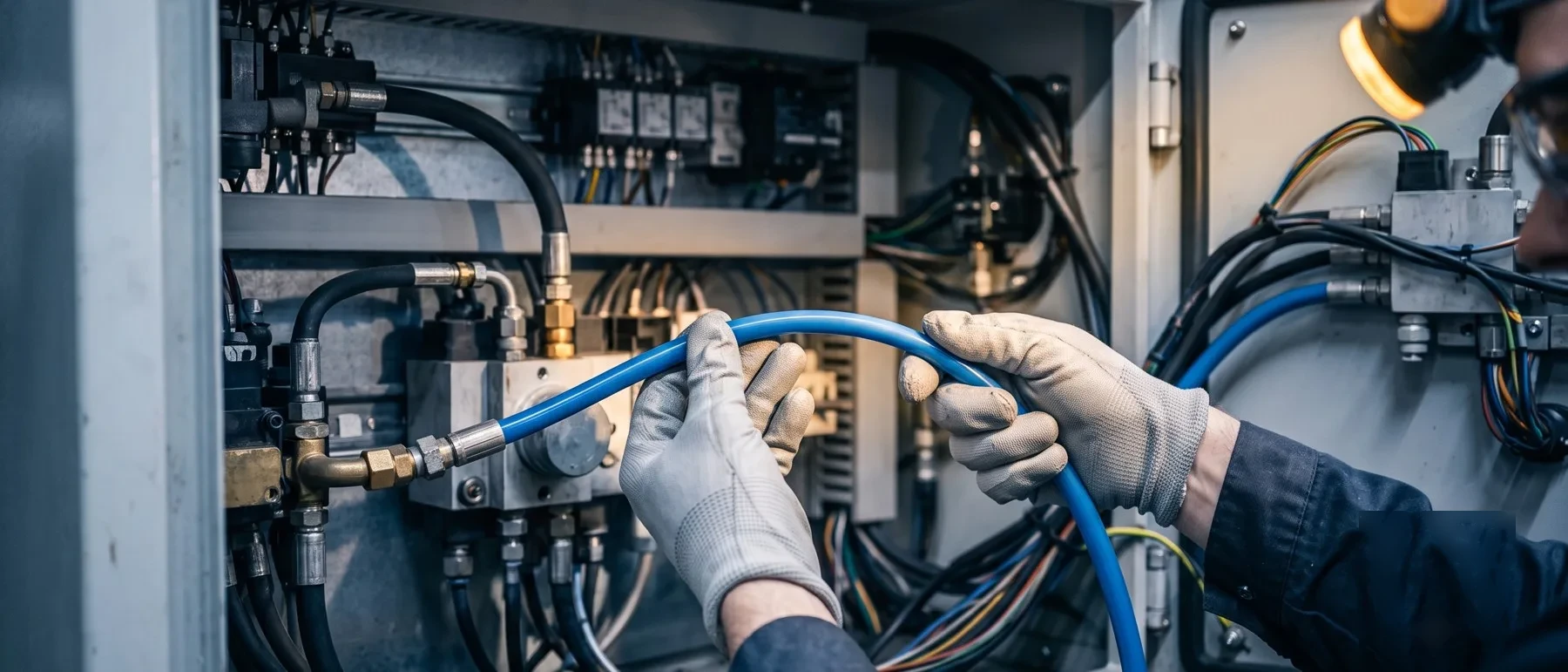
The calendar says the machine is fine. The machine disagrees
Quarterly service is a guess dressed up as a plan. Parts wear by cycles, pumps clog by product mix, springs die by count — none of them read the calendar
Service by calendar, wear by cycles
A cap-sorter spring lives N million cycles. A high-SKU line hits N on a Tuesday the plan never saw coming
The worst failures have no alarm code
Foam dust clogs a vacuum pump over weeks with no sensor watching. The first official symptom is a dead line mid-shift
Reactive repair pays triple
The same spring: replaced at changeover, it costs a part. Replaced after failure, it costs a part, a shift, and 6,000 bottles
Same processes, measured before and after
| PROCESS | KPI | TODAY | WITH PACKGURU |
|---|---|---|---|
| Intervention timing | planned vs emergency | run to failure, fix in panic | flagged early — one spring swap before failure saves 6,000+ bottles |
| Failure modes without sensors | detected pre-failure | invisible until breakdown | pattern-detected from pick times, load shifts and pressure drift |
| Maintenance windows | work done at changeover | whenever it breaks | recommended at the next natural stop — no extra line stop |
| Wear parts tracking | cycle-based replacements | calendar guesses | counted per machine — springs, seals, hoses replaced on evidence |
The alert lands before the failure does
Eight maintenance use cases
Torque drift
FlexiCapper torque profile starts to wander. PackGuru flags it, suggests likely cause and creates the work order
Vacuum pipe degradation
Pick-time creeps up by 30 ms. The vacuum hose has lost suction. PackGuru tells maintenance to replace it this week
O-ring wear on cappers
Pressure-spike pattern signals a seal change. Action goes out before the leak
AC motor overheat
Clogged filters from foam interlayers detected from temperature curve, not from a hand check
Vision-system collisions
System catches its own collision frames and tells you when LED or belt needs cleaning
Friction trending
Predicts which carrier needs disassembly before it becomes a stop
Head deflection
Detected from a deflection-curve anomaly — caught at fitting, not at failure
Suction analysis
Co-deployed palletizer cycles tracked end-to-end. Suction loss flagged before the pick fails
Up to 960 bottles/hr recovered through maintenance insights alone. No new sensors. Just better use of the data that was already there
Map your line's signals to PackGuru alerts
Send us a topology of your filler, capper and palletizer. We'll come back with the alerts that would fire on your line today